
For UK players considering casino play on a mobile, the first impression is shaped by more than a colourful lobby. A useful app or mobile site should make it straightforward to find games, understand the rules, manage an account and reach support. The 500CasinoUK experience can be assessed through these everyday details, alongside the more important questions of licensing, payments and safer gambling.
Casino brands can change their products, terms and availability, so check the current official site before registering. In particular, confirm that the service is licensed for customers in Great Britain by the UK Gambling Commission (UKGC). A brand name or an app listing alone is not proof of authorisation. The notes below focus on what a UK player should look for during a first visit rather than assuming that every feature is currently available to every account.
Opening the casino on a phone
Before downloading anything, visit the operator’s official website and look for its mobile guidance. Some casinos offer a dedicated app, while others provide a browser-based version designed for smaller screens. These are not interchangeable: an app may require installation and updates, whereas a mobile site can usually be opened directly in a browser. Avoid unofficial downloads, which may expose personal or payment information.
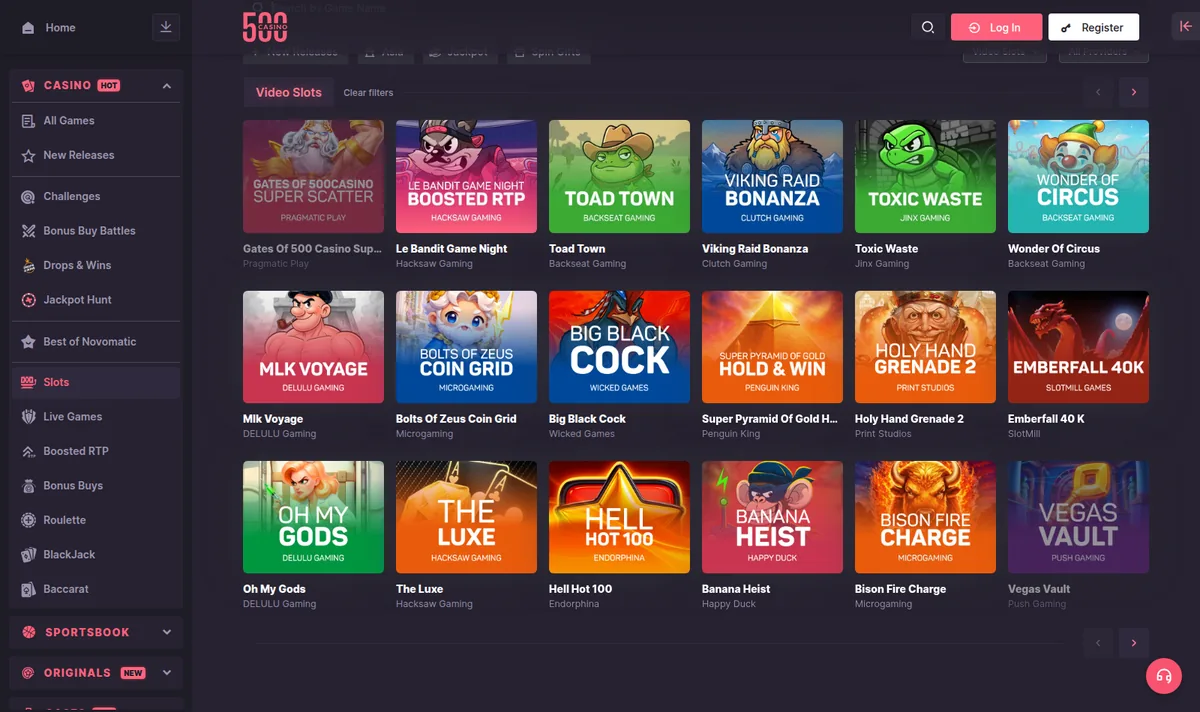
A good first session should feel navigable without extensive searching. Check whether the home screen clearly separates slots, table games and live casino, and whether search and filtering work as expected. Titles should have accessible game information, including rules and any available return-to-player (RTP) details. If text is difficult to read, menus are crowded or a game repeatedly fails to load, those are practical drawbacks—not issues to dismiss as part of the experience.
Account setup, deposits and withdrawals
Registration typically involves supplying accurate personal details and completing identity or age checks. UK-licensed operators must verify customers in accordance with applicable rules; this helps protect minors and supports anti-money-laundering obligations. Players should use their own details and payment methods, and should not try to bypass verification. Review the privacy notice to see how account information is handled.
Payment options, minimums, processing times and fees can vary. Read the cashier information and withdrawal terms before depositing, paying particular attention to whether the method used for a deposit can also receive withdrawals. A pending withdrawal may require checks, but the operator should explain its process and expected timeframes. If the terms are unclear, contact support before sending money.
Promotions deserve the same careful reading. A welcome offer may have eligibility restrictions, a minimum deposit, a wagering requirement, game exclusions or a deadline. “Bonus funds” are not the same as withdrawable cash, and wagering requirements can mean that a player must stake a specified amount before any qualifying winnings can be withdrawn. Do not deposit simply to unlock an offer, and never treat a bonus as a reliable route to profit.
Games and the mobile experience
The game catalogue is likely to be a central part of any first impression, but selection alone does not indicate quality or fairness. Browse a few categories and open the information panel for each game. It should be possible to identify the rules and key features before wagering. A stable connection and responsive controls matter too: mobile play can be frustrating if buttons are difficult to tap or the game does not adapt to the screen.
Slots are games of chance. Features such as expanding wilds, free spins or bonus rounds affect how a particular title plays, but they do not guarantee a win. RTP is a theoretical long-term figure calculated across many plays, not a prediction of what one person will receive in a short session. Volatility describes the pattern of potential results, not whether a game is “due” to pay out.
Table games require a different kind of attention. If blackjack, roulette or another familiar game is available, check the specific version’s rules and limits; details can differ between providers. Live dealer games may use more data and need a stronger connection. It is sensible to try a free-play mode where offered, but remember that demo play does not reproduce the pressure or financial consequences of wagering real money.
What to check before playing
- Authorisation: Find the operator’s legal name and verify its status using the UKGC public register. Check that the licence covers the service you intend to use.
- Terms: Read bonus conditions, game rules, withdrawal requirements and account restrictions before committing funds.
- Security: Use a unique password, secure your device and avoid signing in on shared or public devices.
- Support: Look for clear contact routes and test whether help is available for account, payment and safer-gambling questions.
- Limits: Set a spending limit before depositing, and decide in advance how long you intend to play.
These checks are more useful than relying on promotional claims or a quick visual impression. If an operator’s identity, licence status, payment terms or safer-gambling tools cannot be confirmed, pause and seek clarification rather than proceeding.
Safer gambling on a mobile device
Convenient access can make it easy to lose track of time or spending. Use available deposit, loss and session limits, and consider reality checks or time-outs if offered. Do not gamble with money needed for bills, borrow to play, or chase losses. A limit should be treated as a boundary, not a target to raise after a losing session.
UK players can also use GAMSTOP to self-exclude from online gambling businesses licensed in Great Britain. For independent support, organisations such as GamCare and GambleAware provide information and help. If gambling is affecting your finances, mood or relationships, stop playing and reach out for support. The app’s convenience is only a benefit when play remains controlled.
First-impression verdict
A worthwhile mobile casino experience should combine a usable interface with transparent rules, reliable account services and effective player-protection measures. The 500 Casino app or mobile experience should therefore be judged by what can be verified on the official service: its UK licensing position, the clarity of its terms, the quality of navigation and the accessibility of support. A broad game lobby or an attractive welcome promotion cannot substitute for those essentials.
For a cautious first visit, browse without depositing, inspect a game’s rules, locate the account limits and read the withdrawal information. Only proceed if the operator is properly authorised for your location and you are comfortable with the risks. Casino games are designed for entertainment, not as a way to earn income, and every wager can be lost.
Questions UK players may ask
Is there an official 500 Casino app for the UK?
Availability can change, and an app may not be offered in every market. Check the operator’s official website for current download instructions. Do not install files from third-party sites or assume that an app-store listing proves UKGC authorisation.
How can I check whether the casino is licensed?
Look up the operator’s legal company name in the UK Gambling Commission public register and confirm that its licence is active and relevant to the service. If the details do not match, contact the operator or choose a provider whose status can be verified.
Does a high RTP mean I will win?
No. RTP is a theoretical statistical measure over a very large number of game rounds. It does not predict the result of an individual session, and it does not remove the possibility of losing the full amount staked.
What should I do if a withdrawal is delayed?
Review the cashier terms and any verification requests, then contact customer support through the official channel. Keep a record of relevant messages and transaction details. If the issue remains unresolved, follow the operator’s formal complaints process and check the regulator’s guidance on escalation.