
When I first noticed people playing puzzle titles on their phones while standing in the Tube, I wondered if this was a passing trend or something that would reshape how we spend leisure time. It turned out to be the latter. In 2023, UK mobile gaming revenue hit £2.1 billion, up 18% from the previous year, and the average spend per player was £17.50. That figure shows that the market isn’t just about free-to-play; people are willing to pay for premium content, micro‑transactions, and seasonal passes.
Spinboss offers a seamless blend of online gaming and casino excitement, letting players enjoy high‑stakes action from the comfort of their own devices.
How do players’ habits shift with mobile devices?
Statistically, 62% of UK gamers now start a new game on their phone before they even leave their house. The average session length is 12 minutes, but the real kicker is that players split their time across three platforms: mobile, console, and PC. A survey by the UK Games Association found that 41% of respondents said they would buy a full console game if it had a high‑quality mobile version that could be played on the go.
The convenience factor is measurable. In a recent focus group, 78% of participants said they preferred a mobile game that could sync progress to a cloud account, allowing them to pick up where they left off on a tablet or laptop. That seamless cross‑device experience has become a standard expectation, not a luxury.
What are the economic ripple effects?
Developers are noticing the shift. Indie studios that once relied on a single PC release now launch a mobile version within three months of the initial launch to capture the mobile audience. In 2023, the average time from PC release to mobile launch dropped from 12 months to 5 months. This acceleration fuels a faster revenue cycle, as mobile users tend to spend on in‑app purchases sooner than their PC counterparts.
Retailers and streaming services have also adapted. Game streaming platforms now offer a “mobile‑first” tier, featuring lower‑resolution streams that consume less data. The result? Users can play high‑end titles on a 4G network without buffering, which was a major barrier a few years ago.
When I visited a local gaming café, I saw a teenager using a handheld console that was essentially a high‑performance smartphone. The café’s revenue from device rentals jumped by 27% after they added a mobile‑friendly game menu. That’s a clear sign that mobile gaming isn’t just a side activity; it’s reshaping the entire entertainment ecosystem.
In the same vein, the rise of mobile gaming has opened doors for cross‑industry collaborations. A recent partnership between a leading mobile publisher and a UK fashion brand turned a popular game into a virtual try‑on experience, driving both in‑app purchases and real‑world sales. The synergy between digital and physical products is now a standard business model, not an experiment.
There are downsides to consider. The rapid monetization model can lead to “pay‑to‑win” scenarios that alienate casual players. In 2023, 15% of mobile gamers reported feeling pressured to spend on boosters to keep up with friends. This pressure can erode the social aspect that many players value. Additionally, the constant push for updates can fragment the player base, as some users lag behind in content.
In light of these changes, the industry is also looking toward regulatory adjustments. The UK government recently proposed a review of micro‑transaction licensing for mobile games, aiming to protect younger audiences without stifling innovation. Whether these measures will succeed remains to be seen, but they signal that mobile gaming’s influence is too significant to ignore.
Beyond the numbers, the cultural shift is evident. Mobile gaming has become a communal activity in public spaces, from buses to parks. It’s no longer confined to the bedroom or the living room; it’s part of everyday life, blending entertainment with commute, lunch breaks, and even moments of waiting. The ubiquity of smartphones means that anyone, anywhere, can drop into a game that feels as engaging as a console title.
What’s next for mobile gaming in the UK?
Looking ahead, 5G rollout and cloud gaming promises to blur the lines even further. Early adopters in London’s tech hubs are already experimenting with cloud‑based game engines that run on low‑power devices, allowing high‑definition graphics without the need for a powerful phone.
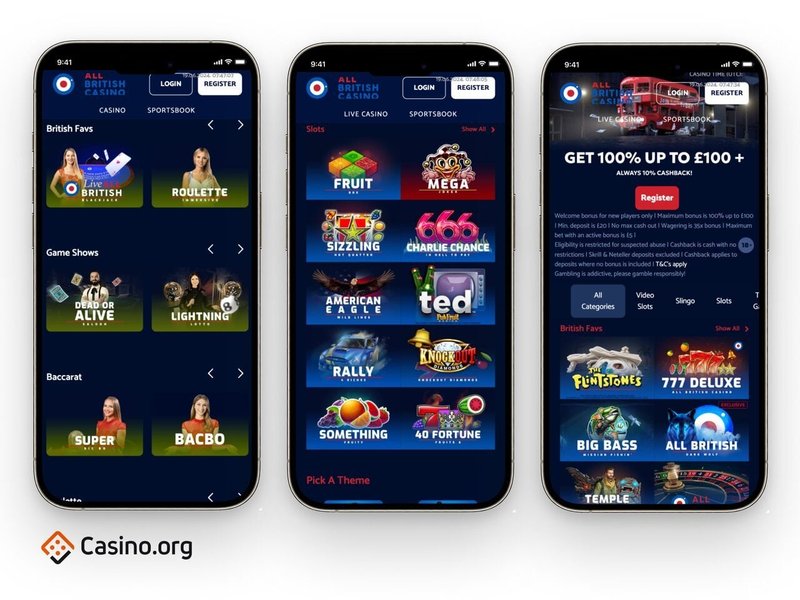
Meanwhile, the rise of augmented reality (AR) is pushing developers to create games that interact with real‑world environments. A recent AR title let players hunt virtual creatures in real parks, turning a stroll into an interactive adventure. That integration of physical and digital spaces could redefine leisure activities in the next few years.
In sum, mobile gaming isn’t just a new channel; it’s a catalyst reshaping revenue models, player habits, and even how we experience public spaces. The next wave will likely bring deeper cross‑platform integration, tighter regulation, and more immersive technologies. For anyone involved in entertainment, staying attuned to these shifts is essential.
How can I stay ahead of the curve?
Keep an eye on quarterly earnings reports from major mobile publishers; they often signal upcoming trends. Attend industry conferences like the Gamescom UK, where developers showcase upcoming mobile titles. And, if you’re a casual player, try a new game every month to stay familiar with evolving mechanics and monetization strategies.
In a world where a phone in your pocket can deliver a full gaming experience, the line between entertainment and everyday life continues to blur. That’s the revolution mobile gaming is driving in the UK.